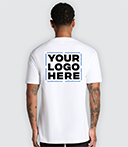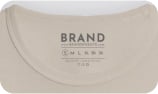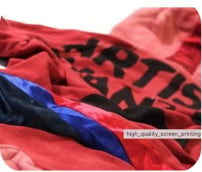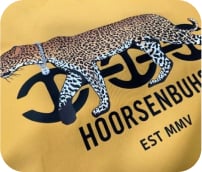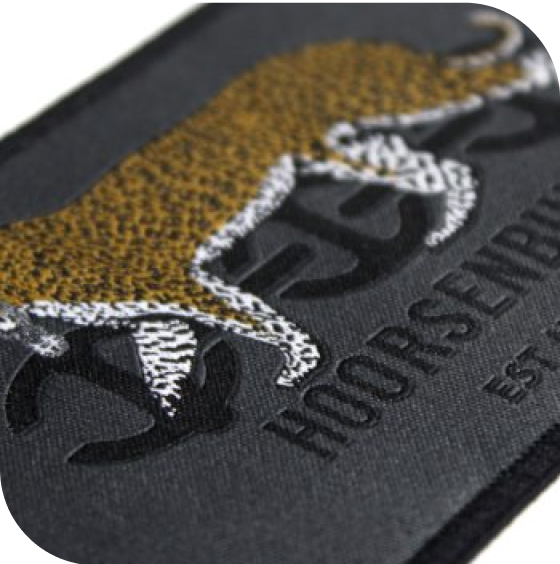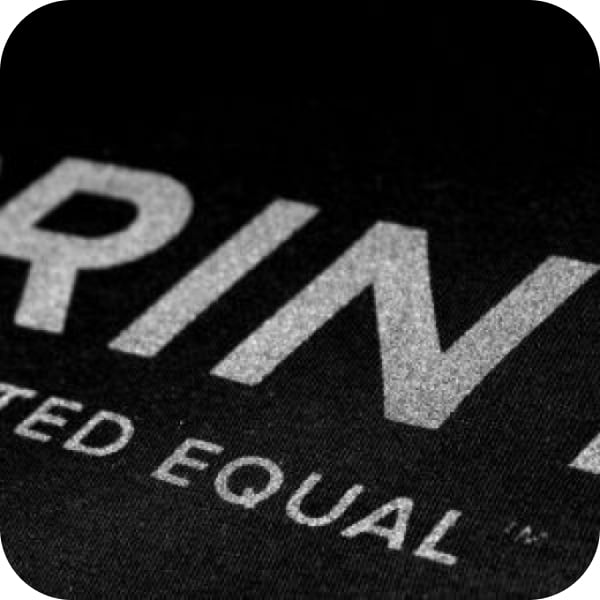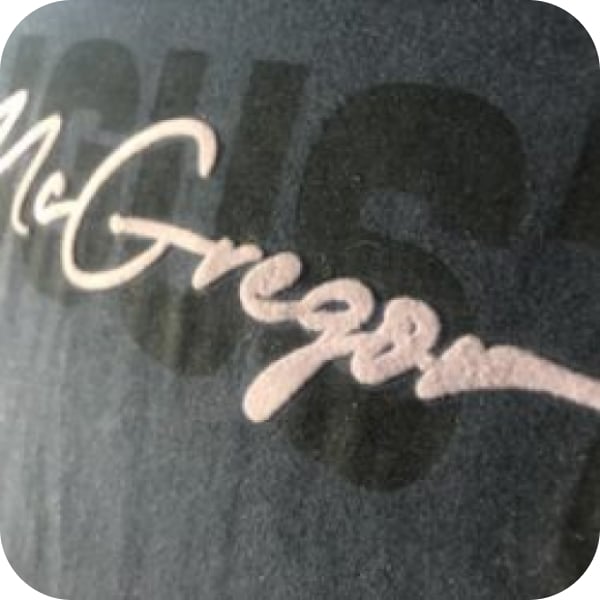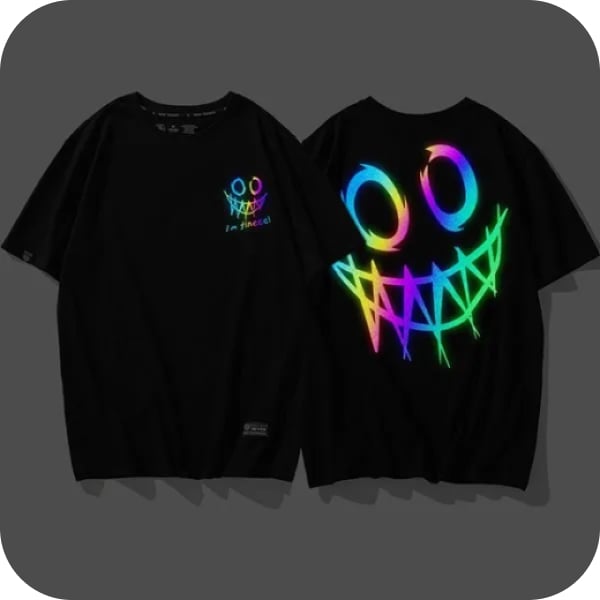
Every printing project is unique. From the method you choose to the ink type, fabric blend, and target audience, each factor shapes the outcome. Selecting the right process isn’t just a technical decision — it’s a creative one that impacts the look, feel, and durability of your apparel.
One of the most important choices you’ll make when customizing garments is matching your printing method to the fabric. Even small differences in fiber content can drastically affect results, whether you’re using screen printing, direct-to-garment (DTG), or sublimation.
This updated 2025 guide will walk you through the main printing methods and how they interact with today’s most common fabric types, so you can produce vibrant, professional-quality apparel every time.
Printing Methods
Screen Printing

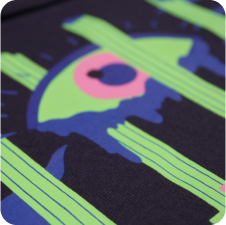
Screen printing involves pulling a layer of ink (often water-based, sometimes with discharge or specialty agents) across a mesh screen to transfer your design).
• Limitations: Complex, multi-color artwork requires multiple screens and setup
• Best for: Large orders, simple designs, limited color palettes
• Strengths: Durable, versatile, cost-effective at scale
Direct-to-garment (DTG)

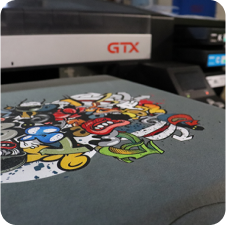
DTG uses inkjet technology to apply water-based inks directly to the fabric fibers — similar to printing on paper, but with shirts.
• Limitations: Less cost-effective for bulk orders; works best on cotton
• Best for: Small batches, highly detailed designs, unlimited colors
• Strengths: Exceptional print quality, fast turnaround for one-offs
Sublimation
Sublimation uses heat to infuse dye into polyester fibers. The result is a permanent, full-color design that won’t crack or peel.
• Best for: 100% polyester and high-poly blends
• Strengths: All-over printing, long-lasting, vibrant results
• Limitations: Limited to synthetic fabrics; not suitable for cotton
Fabrics
100% Cotton
• Screen Printing: Compatible with all major ink types (water-based, discharge, puff, high density, stretch)
• DTG: #1 recommended fabric choice
• Sublimation: Not compatible

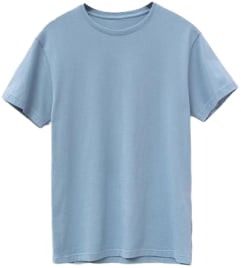
Cotton is affordable, versatile, and easy to work with, making it the go-to fabric for both beginners and established brands. Premium blanks such as the AS Colour 5001 unisex tee are a great example of how high-quality cotton delivers durability and smooth print results.
Cotton/Polyester Blends

90/10 Cotton/Polyester
- • Screen Printing: Highly recommended
- • DTG: Works, but print quality dips slightly compared to 100% cotton
65/35 Cotton/Polyester
- • Screen Printing: Excellent option
- • DTG: Possible, but less consistent color accuracy
- • Sublimation: Limited results
50/50 Cotton/Polyester
- • Screen Printing: Still effective
- • Sublimation: More possibilities than higher-cotton blends
- • DTG: Not recommended
51%+ Polyester
- • Screen Printing: Works, but dye migration may occur
- • Sublimation: Best performance with high polyester content
- • DTG: Not recommended
Screen printing is known for its versatility, and because of that it works on all of the blends listed above. That being said, the screen printing is at its best with fabrics that have the highest cotton content, as blends with higher poly content can lead to something called dye migration.
As mentioned, direct to garment printing works best on 100% cotton garments. While it’s possible to print on certain poly/cotton blends, we suggest at least 65% cotton or more. We also highly recommend you order a sample of any method/fabric combinations that may not be optimal before making a whole order.
100% Polyester
- • Screen Printing: Possible, but more challenging than cotton
- • DTG: Not recommended
- • Sublimation: Perfect compatibility
Polyester shines with sublimation, producing bright, permanent designs. For screen printing, special inks or treatments may be required to avoid dye migration.
Triblends
- • Screen Printing: Possible, but prone to dye migration (use water-based inks over discharge)
- • DTG: Not recommended for consistency; results vary
- • Sublimation: Produces a vintage, washed effect
Triblends are popular for their soft feel and fashionable drape, but their mixed fiber content makes printing trickier. Always test with samples before full production.
Conclusion
In apparel printing, the details matter. The right pairing of fabric and method determines not just how your product looks but how your brand is perceived.
Before placing a large order, test your preferred method on your chosen fabric. Samples help you avoid surprises and ensure your designs pop exactly as intended. Once you’ve confirmed the right method and fabric, you can also apply 5 easy design hacks for printwear to elevate your apparel with smarter use of contrast, fonts, texture, and negative space.
At DTLA Print, we help brands combine the right design, fabric, and printing method to create apparel that looks great, feels premium, and lasts. In 2025, customers are more discerning than ever — prioritize quality and consistency, and your apparel will stand out in today’s competitive market.
If you’re still learning the ropes, these apparel decoration tips for beginners can help you move from experimenting to creating products customers will love.



subcategories


Popular Products

Southern Tide Mini Skipjack Hat
Adidas Adjustable Washed Slouch Cap
Swannies - Delta Cap
Imperial - The Original Small Fit Performance Cap
Oakley - Pro-Formance Cap New
Sportsman - Five-Panel Rope Heritage Fit Cap
OTTO - 5 Panel Mid Profile Baseball Cap
AS Colour - STELLA LONGSLEEVE
AS Colour - Mens Raglan Tee
AS Colour - Mens State Tee
AS Colour - Youth L/S Tee
AS Colour - Mens Classic Pocket L/S Tee
AS Colour - Mens Heavy Tee
Los Angeles Apparel - BABY RIB MOCKNECK TEE
Helly Hansen Mens Engram Jacket
Helly Hansen Womens Vancouver Rain Jacket
Helly Hansen Mens Verglas Icefall Down Jacket
Helly Hansen Mens Isfjord Down Vest
Helly Hansen Mens Verglas 2.5l Fastpack Jacket
Helly Hansen Mens Chelsea Evo Winter Jacket
Helly Hansen Mens Bergholm Insulated Winter Jacket
Los Angeles Apparel - 16oz. Plush Fleece PO Hoodie
Los Angeles Apparel - Baby Rib Long Sleeve Hoodie
Los Angeles Apparel - 12oz Fleece Wide Hoodie
Los Angeles Apparel - 12OZ TRIBLEND FLEECE HOODIE
Under Armour Womens Drive Pro Hybrid Hoodie
Under Armour Womens Breezy Hoodie
Southern Tide Womens Linley Brrr-illiant Performance Hoodie
AS Colour - Carrie Tote
Los Angeles Apparel - Bull Denim Shopping Bag
Peter Millar Pursuit Tote
Johnnie-O Dyed Canvas Tote Bag
Johnnie-O Nylon Packable Tote
Los Angeles Apparel - Oversize Bull Denim Bag
Patagonia Terravia Tote Pack
Everybody World - Adjustable Apron
Artisan Collection by Reprime - Annex Oxford Apron with Pocket
Artisan Collection by Reprime - Recycled Bib Apron
Artisan Collection by Reprime - Artisans Choice Canvas Apron
Artisan Collection by Reprime - Barley Stitch Recycled Bib Apron with Pockets
Artisan Collection by Reprime - Regenerate Recycled Bib Apron
Artisan Collection by Reprime - Espresso Bib Apron with Pockets
resources
get a quote!
Fill out this form to help us understand your needs and respond accurately.

4
47 Brand
A
Adams Headwear
A
Adidas
A
Allmade
A
American Apparel
A
ANETIK
A
Artisan Collection by Reprime
A
AS Colour
A
Augusta Sportswear
B
Badger
B
BAGedge
B
Bayside
B
Beimar
B
Bella + Canvas
B
Bogg
B
Boxercraft
C
Carhartt
C
Carmel Towel Company
C
Champion
C
Colortone
C
CORE365
C
Columbia
C
Comfort Colors
C
Cotton Heritage
D
DTLA Print
D
Dyenomite
E
Econscious
E
Everybody World
E
Everywhere Apparel
F
Flexfit
F
Fruit of the Loom
G
G Fore
G
Galvin Green
G
Gildan
H
Hanes
H
Helly Hansen
I
Independent Trading Co.
I
Imperial
I
Infinity Her
J
Jaanuu
J
Jerzees
J
Johnnie-O
J
Just Hoods By AWDis
K
Kati
K
Kishigo
K
Knack
L
Lane Seven
L
Legacy
L
Liberty Bags
L
Linksoul
L
Los Angeles Apparel
M
M&O
M
Marine Layer
M
Mega Cap
N
New Era
N
Next Level
N
Nike
N
North Face
O
Oakley
O
OGIO
O
OGIO Endurance
O
Onna
O
OTTO
O
Original Favorites
P
Paragon
P
Patagonia
P
Peter Millar
P
Port & Company
P
Port Authority
Q
Q-Tees
R
Richardson
R
Rabbit Skins