

Screen Printing T-Shirts: Water-Based Ink vs. Plastisol Ink
Last Updated: 09/16/2026
Talk to our team today! (323) 261-8700
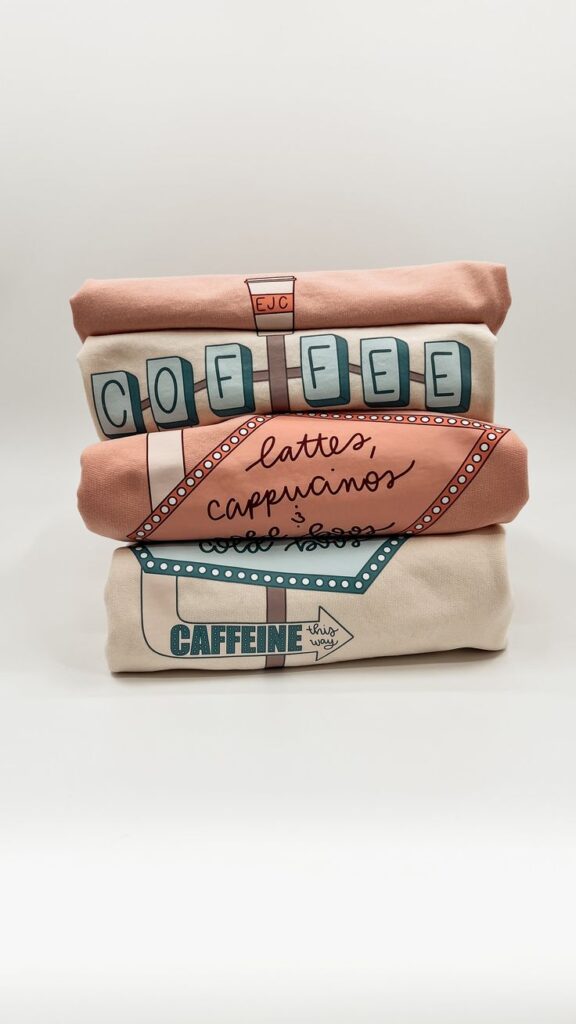
Starting a clothing brand involves many decisions, one of which is choosing the right ink for screen printing your designs. The two most popular options are Plastisol Ink and Water-Based Ink. Each type has its pros and cons, and understanding these can help you make an informed choice. And if you’re weighing printing inks alongside fabric choices and garment styles, our ultimate guide to custom apparel is a great place to start.
In this post, we’ll break down the differences between these inks, so you can decide which is best for your custom t-shirt business.
What is Plastisol Ink?
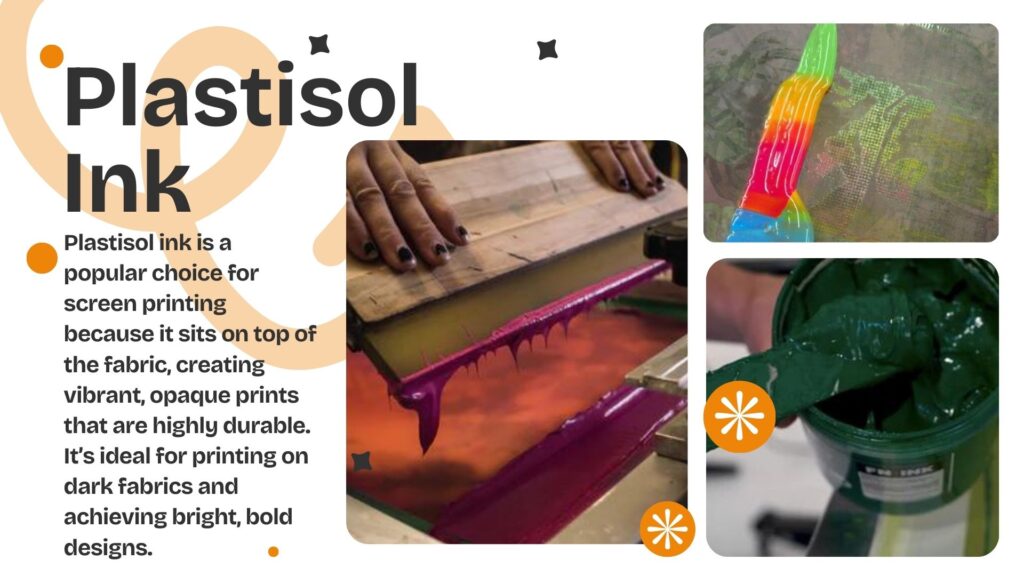
Plastisol Ink is the most commonly used ink in screen printing. It is composed of PVC resin, a white powder, and a plasticizer, a thick clear liquid.
Pros of Plastisol Ink
- 1. Ease of Use: Plastisol ink is user-friendly and doesn’t clog screens, making it a favorite among print shops.
- 2. Vibrant Colors: This ink type is excellent for making colors pop, especially on dark garments. The colors are bright and vivid, making your designs stand out.
- 3. Durability: When cured properly, Plastisol ink adheres well to the fabric, ensuring your designs stay intact.
Cons of Plastisol Ink
- 1. Cracking Over Time: One major downside is that Plastisol ink can crack after multiple washes, leading to a worn-out appearance.
- 2. Tactile Feel: The ink lays on top of the garment, which means you can feel the ink when you touch the fabric.
- 3. Fabric Sensitivity: The ink’s performance can vary depending on the fabric type, reacting differently to 100% cotton versus polyester blends.
What is Water-Based Ink?
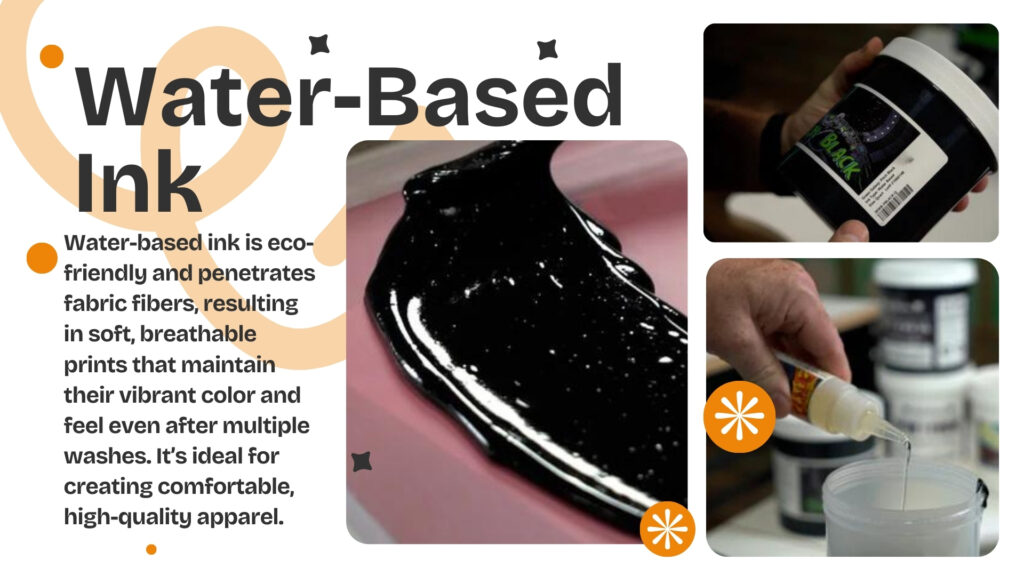
Water-Based Ink, as the name suggests, is made with water and pigment, providing a different set of properties compared to Plastisol.
Pros of Water-Based Ink
- 1. Soft Touch: This ink seeps into the fabric, resulting in a soft feel that is often preferred for a more comfortable wear. Especially on trendy styles where comfort is key, like cropped t-shirts.
- 2. No Cracking: Unlike Plastisol, Water-Based Ink doesn’t crack or fade over time, maintaining a consistent look.
- 3. Vintage Look: Ideal for achieving a vintage aesthetic, Water-Based Ink offers a softer color palette that blends seamlessly with the fabric.
Cons of Water-Based Ink
- 1. Subdued Colors: The colors tend not to be as vibrant as those achieved with Plastisol ink. If you need bright and bold designs, this might be a limitation.
- 2. Technical Application: Applying Water-Based Ink can be more challenging and might require a more experienced screen printer.
Tips for Choosing the Right Ink
Choosing between Plastisol and Water-Based Ink depends on your specific needs and preferences. Here are some tips to help you decide:
- 1. Experiment with Both: Try using both types of ink to see which one meets your expectations for color and feel.
- 2. Consult Your Screen Printer: Discuss your needs with your screen printer and ask for samples to evaluate their quality.
- 3. Quality Check: To ensure durability, stretch the printed garment. If the ink starts to crack, it might indicate a quality issue with the print shop or ink used.
Conclusion
Both Plastisol and Water-Based Inks have their unique advantages and disadvantages. Plastisol is great for vibrant, durable prints but can crack and feel heavy. Water-Based Ink offers a softer touch and a vintage look but may lack the color intensity. By understanding these differences, you can make a better choice for your clothing brand and ensure your custom shirts look and feel exactly how you envision them.


Let’s Get Started on your First Order

subcategories


Popular Products

Southern Tide Mini Skipjack Hat
Adidas Adjustable Washed Slouch Cap
Swannies - Delta Cap
Imperial - The Original Small Fit Performance Cap
Oakley - Pro-Formance Cap New
Sportsman - Five-Panel Rope Heritage Fit Cap
OTTO - 5 Panel Mid Profile Baseball Cap
AS Colour - STELLA LONGSLEEVE
AS Colour - Mens Raglan Tee
AS Colour - Mens State Tee
AS Colour - Youth L/S Tee
AS Colour - Mens Classic Pocket L/S Tee
AS Colour - Mens Heavy Tee
Los Angeles Apparel - Garment Dye Micro Crop Tee
Helly Hansen Mens Engram Jacket
Helly Hansen Womens Vancouver Rain Jacket
Helly Hansen Mens Verglas Icefall Down Jacket
Helly Hansen Mens Isfjord Down Vest
Helly Hansen Mens Verglas 2.5l Fastpack Jacket
Helly Hansen Mens Chelsea Evo Winter Jacket
Helly Hansen Mens Bergholm Insulated Winter Jacket
Los Angeles Apparel - 16oz. Plush Fleece PO Hoodie
Los Angeles Apparel - Baby Rib Long Sleeve Hoodie
Los Angeles Apparel - 12oz Fleece Wide Hoodie
Los Angeles Apparel - 12OZ TRIBLEND FLEECE HOODIE
Under Armour Womens Drive Pro Hybrid Hoodie
Under Armour Womens Breezy Hoodie
Southern Tide Womens Linley Brrr-illiant Performance Hoodie
AS Colour - Carrie Tote
Los Angeles Apparel - Bull Denim Shopping Bag
Peter Millar Pursuit Tote
Johnnie-O Dyed Canvas Tote Bag
Johnnie-O Nylon Packable Tote
Los Angeles Apparel - Oversize Bull Denim Bag
Patagonia Terravia Tote Pack
Everybody World - Adjustable Apron
Artisan Collection by Reprime - Annex Oxford Apron with Pocket
Artisan Collection by Reprime - Recycled Bib Apron
Artisan Collection by Reprime - Artisans Choice Canvas Apron
Artisan Collection by Reprime - Barley Stitch Recycled Bib Apron with Pockets
Artisan Collection by Reprime - Regenerate Recycled Bib Apron
Artisan Collection by Reprime - Espresso Bib Apron with Pockets
resources
get a quote!
Fill out this form to help us understand your needs and respond accurately.
4
47 Brand
A
Adams Headwear
A
Adidas
A
Allmade
A
American Apparel
A
ANETIK
A
Artisan Collection by Reprime
A
AS Colour
A
Atlantis Headwear
A
Augusta Sportswear
A
Authentic Pigment
B
Badger
B
BAGedge
B
Bayside
B
Beimar
B
Bella + Canvas
B
Bogg
B
Boxercraft
C
Carhartt
C
Carmel Towel Company
C
Champion
C
Colortone
C
CORE365
C
Columbia
C
Comfort Colors
C
Cotton Heritage
D
DTLA Print
D
Dyenomite
E
Econscious
E
Everybody World
E
Everywhere Apparel
F
Flexfit
F
Fruit of the Loom
G
G Fore
G
Galvin Green
G
Gildan
H
Hanes
H
Helly Hansen
I
Independent Trading Co.
I
Imperial
I
Infinity Her
J
Jaanuu
J
Jerzees
J
Johnnie-O
J
Just Hoods By AWDis
K
Kati
K
Kishigo
K
Knack
L
Lane Seven
L
Legacy
L
Liberty Bags
L
Linksoul
L
Los Angeles Apparel
M
M&O
M
Marine Layer
M
Mega Cap
N
New Era
N
Next Level
N
Nike
N
North Face
O
Oakley
O
OGIO
O
OGIO Endurance
O
Onna
O
OTTO
O
Original Favorites
P
Paragon
P
Patagonia
P
Peter Millar
P
Port & Company
P
Port Authority
Q
Q-Tees